Dec 9 (Reuters) - CVS Health (CVS) on Tuesday forecast 2026 profit above Wall Street estimates and this year's projected earnings, signalling steady progress in the health conglomerate's turnaround plan.
CVS stock rose 5% in early trading on Tuesday.
The company in October projected double-digit earnings growth for 2026 after raising its 2025 profit forecast for the third time.
"We are closing out 2025 with meaningful momentum across our businesses and we expect another year of strong earnings growth in 2026," said Chief Financial Officer Brian Newman on Tuesday.
The company forecast 2026 adjusted profit to be in the range of $7.00 to $7.20 per share, compared with analysts' average estimate of $7.16, according to data compiled by LSEG.
It, however, expects total revenue of at least $400 billion next year, below analysts' average estimate of $419.26 billion.
CVS also raised its 2025 adjusted profit forecast to $6.60 to $6.70 per share from $6.55 to $6.65 previously.
(Reporting by Sneha S K in Bengaluru; Editing by Shinjini Ganguli)
LATEST POSTS
- 1
 Governors Ball 2026: Lorde, A$AP Rocky and Stray Kids set to headline
 - 2I’m a doctor. Here are 10 science-backed tips to help you get healthier.
- 3Find the Excellence of Old style Expressive dance: Encountering the Effortlessness and Polish of Dance
- 4Wedding trip Objections in Europe
- 5Instructions to Arrange Your Compensation During Medical caretaker Prospective employee meetings


- Best Veggie lover Dinner: What's Your Plant-Based Pick?
- Whale stranded off Germany for days found stuck again
- Deaths reported in Lebanon as Israel and Hezbollah exchange attacks
- Monetary Wellness: Planning Tips for Independence from the rat race
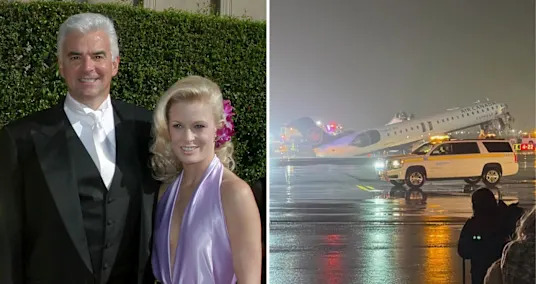
- Former ‘Dancing with the Stars’ Pro Survives Plane Crash at LaGuardia That Left 2 Pilots Dead
- Ukrainian drones hit all three Baltic States − did Russia redirect them?
- Iran slams UN nuclear watchdog for failing to condemn Bushehr attacks
- Step by step instructions to Pick the Right Sunlight powered charger Type for Your Home
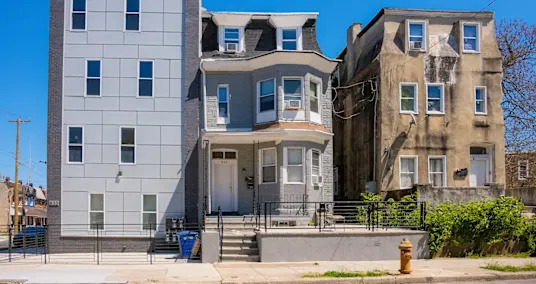
- We analyzed Philly street scenes and identified signs of gentrification using machine learning trained on longtime residents’ observations