Farmers in the South East have said that the rising cost of fertiliser is having an impact on their plans for what they grow and harvest for the next year.
Fertiliser is any material that is applied to soil or to plant tissues to supply plant nutrients and is usually shipped through the Strait of Hormuz, but that is only open to a limited number of ships as a consequence with the US and Israel's war with Iran.
A third of the world's key fertiliser chemicals pass through the Strait, and prices have risen steeply since the outbreak of war.
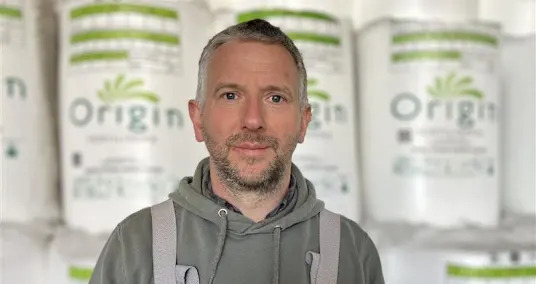
Richard Budd, a director at Stevens Farm in Hawkhurst, Kent, said the impact had seen the cost of fertiliser "double overnight".
Speaking to BBC South East, he said: "Last June, we bought some fertiliser for £350 per tonne, I went into the market today to buy some and it was £630 for the same amount.
"We're fine now as we've fixed our growing costs, but come September, when we go to put the next crop in the ground, we are going into a world of uncertainty if this goes on.
"We'll have to see a dramatic rise in the cost of wheat to make it financially viable for next year."

Last week, the National Farmers' Union (NFU) warned that food prices in the UK were likely to go up as a result of the conflict in the Middle East.
NFU president Tom Bradshaw said the price of cucumbers and tomatoes could rise over the next six weeks, with the cost of other crops and milk increasing in the next three to six months.
Speaking in the House of Commons on 19 March, the Farming Minister Dame Angela Eagle said: "We are well aware that events in the Middle East are putting pressure on input prices.
"I have talked to the chief executive officer of the Competition and Markets Authority.
"We are taking a close look at what is happening to ensure that there is no market abuse, and will keep a close eye on the situation as it develops."
Budd added: "This doesn't directly impact what we are doing at the moment, but we are dealing with an increase in diesel prises as well.
"When we sit down and plan next year, we will have to assess what we will grow and harvest.
"Things right now are just about ok."
Follow BBC Kent on Facebook, on X, and on Instagram. Send your story ideas to [email protected] or WhatsApp us on 08081 002250.
Related internet links
LATEST POSTS
- 1
 Instructions to Amplify Certifiable Experience While Chasing after an Internet Advertising Degree
 - 2The Main 15 Applications for Efficiency and Association
- 3The most effective method to Consummate the Specialty of Handshaking in Business and Group environments
- 46 Arranging Administrations to Change Your Open air Space
- 5Tablets: Upgrade Your Understanding Experience




- Flu cases are spiking earlier than usual. What you need to know.
- Holiday travel: Best days to hit the road as 110 million Americans expected to drive over Christmas and New Year's
- Grasping the Commencement of Criminal Cases: An Extensive Outline
- Brazil's agricultural research agency gets cannabis research greenlight
- Iranian rockets hit Tel Aviv area, injuring six
- Attacks on Iran's Bushehr nuclear plant and on Iraq border crossing
- The Green Transformation: 5 Feasible Living Practices
- Oprah Winfrey's Favorite Wellness Destination Is A Luxurious Italian Retreat
- German Cabinet advances bill to cut greenhouse emissions from fuels